Screening for cancer
Screening means doing a test to find a health problem before you have become aware of it yourself or noticed something different about your body such as feeling unwell or finding a symptom. For example, when all babies are born, they are screened to see if there is anything wrong with their hearing, and everyone is examined for vision problems when they apply for a driver's licence.
There are four types of cancer screening tests that we have in Australia: for breast cancer, cervical cancer, bowel cancer and lung cancer. All these tests help to find cancer early and lower the amount of cancer treatment that our mob go through. There's no shame job about it; screening is something that a lot of people do. Do it for yourself as well as your family and community peace of mind.
Screening for breast cancer
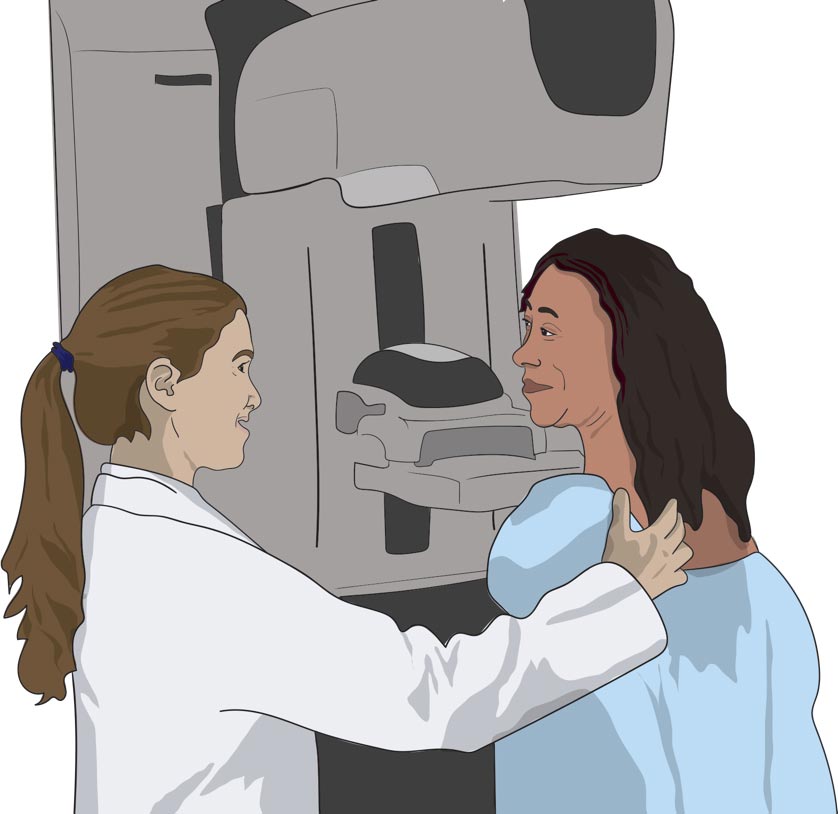
Every year, more and more Aboriginal and Torres Strait Islander women have breast screening. This is done by mammography, which is an x-ray for the breast. Breast screening can find cancers that are very small – too small to be seen or felt by you or your doctor. When cancers are small, they’re more easily treated.
If you’re a woman over 40, you can have a free breast screen every 2 years. A test can be arranged for you by your doctor, nurse or Aboriginal and/or Torres Strait Islander health worker.
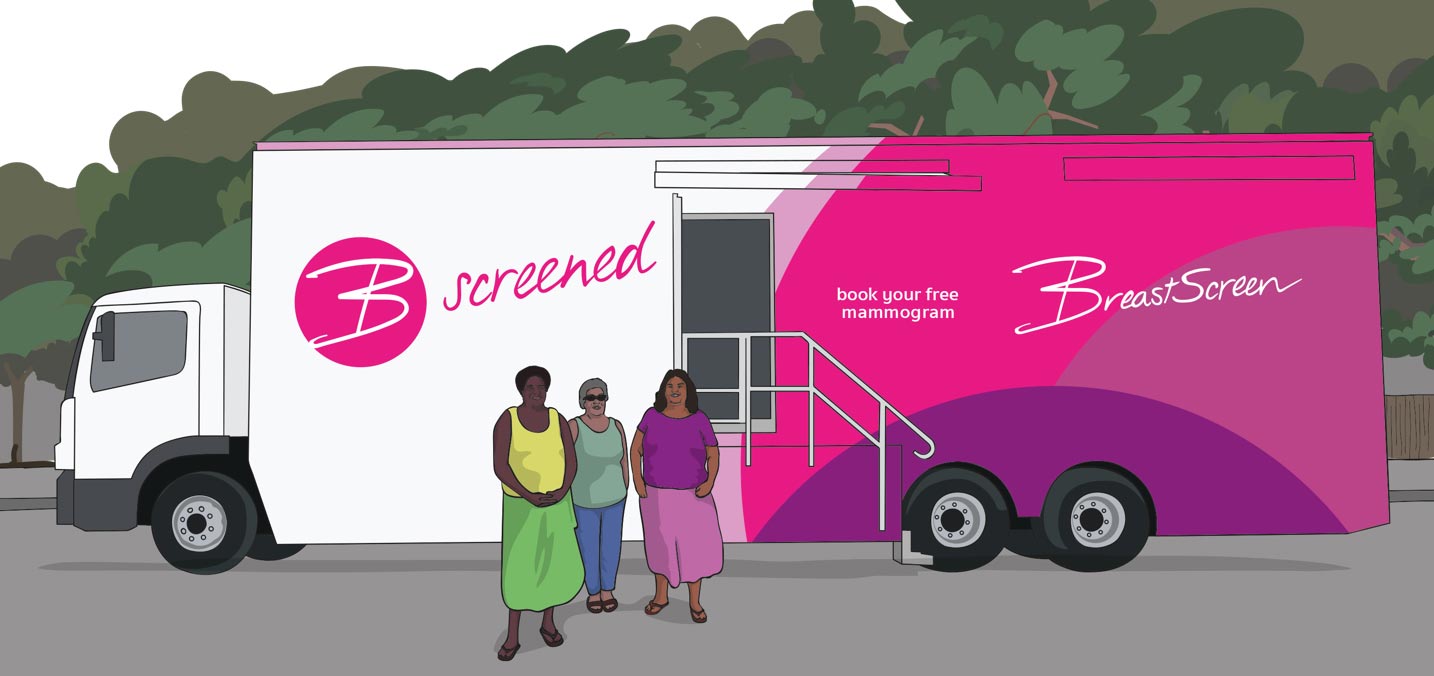
You can book in for a breast screen by yourself too – see this list of breast screen services to contact. If you live in a rural or remote town, a mobile testing van might sometimes come to your area. Your doctor, nurse and Aboriginal and/or Torres Strait Islander health worker could help find out when that will visit next.
Some resources to provide more information about the breast cancer screening program:
Screening for cervical cancer
If you’re a woman aged 25 or older, a cervical screening test every five years is recommended. Cervical screening helps women stop getting cervical cancer and it means fewer women die from it.
There is a way to do cervical screening known as self-collection. Yarn with your doctor, nurse or Aboriginal and/or Torres Strait Islander health worker and they’ll help you work out if it’s the right test for you. Find out more about self-collection.
Your doctor or health worker can also arrange for you to have the HPV immunisation which is designed to help prevent cervical cancer. Read about this and other immunisations here.
Screening for bowel cancer
Everyone between the ages of 45 and 74 can have a free bowel cancer screening test. You can get the kit in the mail or from your doctor, nurse or Aboriginal and/or Torres Strait Islander health worker. Follow the simple instructions on how to use it. It can detect bowel cancer early, when it is much easier to treat.
Noongar man Bruce explains how to do the test.
If you want some deadly music by mob to encourage you to go through with the bowel cancer screening tests, here’s a song called ‘The Bowel Cancer Blues’ by Victorian mob and one called ‘Check ‘em’ from the Muludja community in the Kimberley.
If you haven’t been sent the bowel cancer screening test, you can ask your doctor, nurse or Aboriginal and/or Torres Strait Islander health worker. You can also phone 1800 627 701 for the National Cancer Screening Register or 1800 930 998 for the Bowel Screening Test Kit helpline and ask for them to send you one.
Screening for lung cancer
Lung cancer affects many Aboriginal and Torres Strait Islander people, families and communities.
When lung cancer first starts, it has no symptoms. That’s why it’s important to get screened, even if you feel well. Finding lung cancer early means doctors can usually treat it and help people get better.
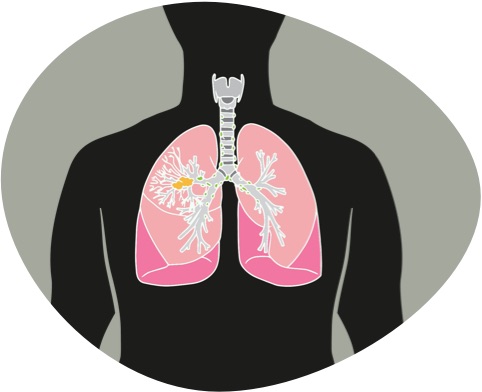
Lung screening uses a chest CT scan to check your lungs.
Lung screening is for people who:
- Are 50 to 70 years old
- Have no signs or symptoms of lung cancer
- Currently smoke or have quit smoking in the past 10 years
- Have a history of tobacco cigarette smoking of 30 pack-years or more. Your doctor, nurse or health worker will talk to you about your smoking history to see if you are eligible for lung screening.
Yarn with your doctor, nurse or health worker to learn more about lung screening. If you and your health team decide that lung screening is right for you, your doctor will give you a referral for a free scan. Depending on where you live, a nurse practitioner can also give you a referral.
You may be able to have your scan at a radiology (x-ray) clinic or hospital. If you live in a rural or remote area, a mobile screening truck may also be available.
You can bring a support person to any of your appointments or scans.
The Australian Government has worked in partnership with NACCHO and Cancer Australia to ensure that the National Lung Cancer Screening Program is equitable, accessible, and culturally safe for Aboriginal and Torres Strait Islander people.
Some resources to provide more information about the lung cancer screening program can be found here.
- About lung screening A4 factsheet and brochure
- Going for your lung screening scan factsheet
- Understanding lung screening results printout
- Let's yarn about lung screening results factsheet
- Shared decision making poster
More information is available from the Department of Health, Disability and Ageing website.
Life with and after cancer
FIND OUT MORE
Where can I get help and support?
FIND OUT MORE