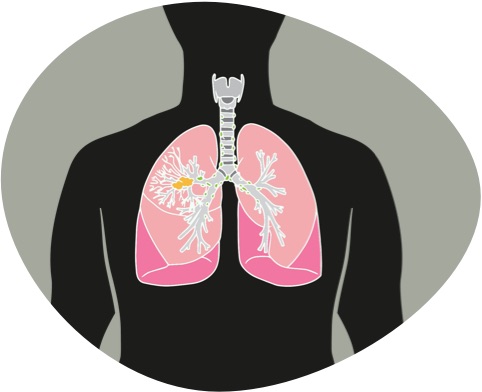
Screening for lung cancer
Lung cancer affects many Aboriginal and Torres Strait Islander people, families and communities.
When lung cancer first starts, it has no symptoms. That’s why it’s important to get screened, even if you feel well. Finding lung cancer early means doctors can usually treat it and help people get better.
Lung screening uses a chest CT scan to check your lungs.
Lung screening is for people who:
- Are 50 to 70 years old
- Have no signs or symptoms of lung cancer
- Currently smoke or have quit smoking in the past 10 years
- Have a history of tobacco cigarette smoking of 30 pack-years or more. Your doctor, nurse or health worker will talk to you about your smoking history to see if you are eligible for lung screening.
Yarn with your doctor, nurse or health worker to learn more about lung screening. If you and your health team decide that lung screening is right for you, your doctor will give you a referral for a free scan. Depending on where you live, a nurse practitioner can also give you a referral.
You may be able to have your scan at a radiology (x-ray) clinic or hospital. If you live in a rural or remote area, a mobile screening truck may also be available.
You can bring a support person to any of your appointments or scans.
The Australian Government has worked in partnership with NACCHO and Cancer Australia to ensure that the National Lung Cancer Screening Program is equitable, accessible, and culturally safe for Aboriginal and Torres Strait Islander people.
Some resources to provide more information about the lung cancer screening program can be found here.
- About lung screening A4 factsheet and brochure
- Going for your lung screening scan factsheet
- Understanding lung screening results printout
- Let's yarn about lung screening results factsheet
- Shared decision making poster
More information is available from the Department of Health, Disability and Ageing website.